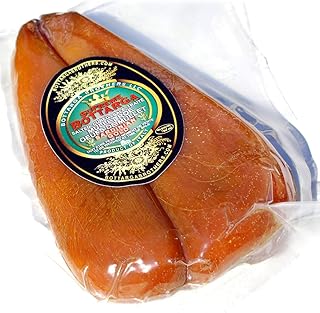
Often referred to as "Sardinian Gold" or "Mediterranean caviar," Bottarga is a culinary treasure that has been savored for centuries along the coasts of Italy, particularly Sardinia and Sicily. This delicacy, made from the cured roe of grey mullet (muggine) or bluefin tuna, is a concentrated burst of savory, briny, and complex umami flavor. More than just an ingredient, it represents a deep connection to tradition, artisanal craftsmanship, and the pristine waters of the Mediterranean.
What Exactly is Bottarga?
At its core, Bottarga is the whole, salted, and air-dried roe sac of fish. The process is meticulous: the fresh roe sacs are carefully extracted, massaged with sea salt to cure, then pressed and dried for several weeks. The result is a firm, waxy block with a deep amber to dark red hue, depending on the fish. When grated or thinly sliced, it releases an intense aroma of the sea and a flavor that is uniquely savory, slightly salty, and richly umami. It's a gourmet ingredient that elevates simple dishes with minimal effort.
Sardinian vs. Sicilian: A Tale of Two Traditions
The two most renowned types of Italian Bottarga come from Sardinia and Sicily, each with its own character.
Sardinian Bottarga, particularly Bottarga di Muggine (grey mullet roe), is often considered the gold standard. Brands like L'Oro di Cabras and Smeralda hail from this region, offering whole roe sacs that are a testament to tradition. The "Sardinian Gold" line, available in various sizes, provides an authentic taste of this Sardinian delicacy. For convenience, pre-grated versions like Sardinian Grated Bottarga or Le Mareviglie Grated Bottarga make it easy to incorporate this flavor into everyday meals.
From Sicily comes a distinct variant often made from the roe of the prized bluefin tuna. Sicilian Grated Bluefin Tuna Bottarga tends to have a slightly stronger, more robust flavor and a darker color compared to its mullet-based cousin. Exploring both types is a journey through Italy's diverse coastal cuisine.
How to Use Bottarga in Your Kitchen
The beauty of Bottarga lies in its versatility. It should never be cooked, as heat diminishes its delicate flavor. Instead, it's used as a finishing touch, grated or shaved over dishes just before serving.
The Classic: Pasta
The most iconic use is with pasta. Simply toss spaghetti or linguine with high-quality olive oil, garlic, and a generous snowfall of freshly grated Bottarga. The heat of the pasta gently melts the roe, creating a luxurious, silky sauce. It's a simple dish that speaks volumes.
Beyond Pasta
• Appetizers: Shave thin slices over crostini spread with butter or ricotta.
• Salads: Grate over a simple shaved fennel or avocado salad.
• Eggs: Transform scrambled eggs or a frittata with a sprinkle of grated Bottarga.
• Seafood: Enhance grilled fish or seared scallops with its briny depth.
• Butter: Mix grated Bottarga into softened butter for an incredible compound butter to melt over steak or vegetables.
For more detailed recipes and pairing ideas, check out our comprehensive Ultimate Guide to Bottarga and Guide to Using Grated Bottarga.
Selecting and Storing Your Bottarga
When choosing a whole Bottarga, look for a firm, dry texture with a consistent color. It should feel heavy for its size. Popular and reliable choices include the Sanniti Bottarga Cured Mullet Roe or the larger format 5oz Sardinian Gold version. For those new to Bottarga, starting with a grated product like the 50-gram jar is a perfect, no-fuss introduction.
Store whole Bottarga tightly wrapped in parchment paper and then in an airtight container in the refrigerator, where it can last for months. Grated Bottarga should also be kept refrigerated and used within a few weeks of opening for optimal flavor. Once you experience the transformative power of this umami-rich gourmet food, it will quickly become a cherished pantry staple.
Whether you're grating it over a steaming plate of spaghetti or discovering its magic in our guide to Bottarga as a kitchen essential, this ancient Italian seafood condiment offers a direct connection to the flavors of the Mediterranean. It’s an investment in taste that pays delicious dividends with every sprinkle.